Sushi and Japanese Food Vector Design: A Creative Asset for Modern Designers
In the world of graphic design, visual assets play a crucial role in conveying brand identity, storytelling, and aesthetic appeal. One such resource that has gained attention among designers is the Sushi and Japanese Food Vector Design. This collection offers a unique blend of cultural imagery and digital utility, making it a valuable addition to any creative toolkit.
What Is Sushi and Japanese Food Vector Design?
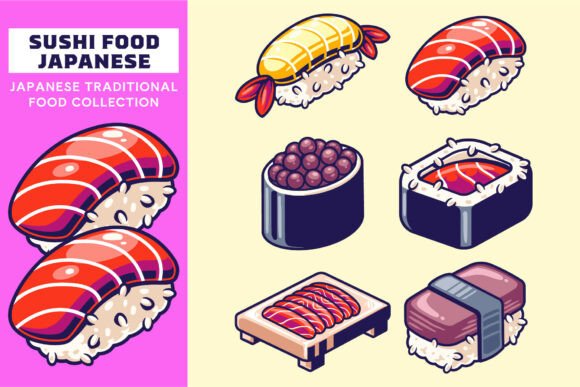
The Sushi and Japanese Food Vector Design refers to a set of digital illustrations featuring traditional Japanese cuisine, with a focus on sushi and related food items. These designs are created using vector graphics, which allow for scalability without loss of quality. The collection typically includes elements like sushi rolls, sashimi, ramen, bento boxes, and other iconic dishes, rendered with precision and cultural authenticity.
What makes this design resource particularly appealing is its versatility. It can be used across multiple platforms, from digital media to print materials, ensuring consistent visual representation regardless of the medium. Whether you're working on a website, app interface, or business card, these vectors provide a polished and professional look.
Key Characteristics and Strengths
The Sushi and Japanese Food Vector Design stands out due to several key characteristics. First, the level of detail in each illustration is exceptional. Each element is crafted with care, capturing the textures, colors, and shapes that define authentic Japanese cuisine. This attention to detail ensures that the final output looks realistic and visually engaging.
Another strength lies in the format of the files. The design typically comes in multiple file types, including AI (Adobe Illustrator), EPS, JPG, and PNG. This compatibility allows users to work with their preferred software, whether they're using Adobe Illustrator for vector editing or Photoshop for image manipulation. The availability of high-resolution 300 DPI files also ensures that the designs maintain clarity at any size.
Additionally, the design is fully editable, giving users the flexibility to customize elements as needed. This feature is especially useful for designers who want to adapt the visuals to fit specific branding guidelines or project requirements.
Practical Value and Real-World Applications
The practical value of the Sushi and Japanese Food Vector Design extends beyond aesthetics. For businesses in the food industry, particularly those specializing in Japanese cuisine, these vectors offer a way to create cohesive branding materials. From menu designs to social media graphics, the consistent style helps reinforce brand identity and customer recognition.
For web designers and app developers, the vectors can be used to enhance user interfaces. Icons and illustrations based on traditional Japanese food can add a cultural touch to apps, websites, or digital marketing campaigns. This not only improves visual appeal but also resonates with audiences who appreciate authenticity and cultural references.
Designers working on infographics or data visualization projects may also find these vectors useful. They can serve as visual anchors in presentations, helping to break up text and guide the viewer’s eye through complex information. The clean lines and structured layout of the illustrations make them ideal for such purposes.
Quality, Usability, and Flexibility
Quality is a central aspect of the Sushi and Japanese Food Vector Design. The high-resolution files ensure that the images remain sharp and clear, even when scaled up for large-format prints. This reliability is essential for professionals who need consistent results across different applications.
Usability is another strong point. The design is compatible with both PC and Mac systems, and the file formats support a wide range of design software. This accessibility makes it easy for users to integrate the vectors into their existing workflows without requiring specialized tools or knowledge.
Flexibility is also a key advantage. The ability to edit and customize the designs means that users can tailor the visuals to match their specific needs. Whether adjusting colors, resizing elements, or combining them with other graphics, the design offers a high degree of adaptability.
Who Benefits Most from This Resource?
The Sushi and Japanese Food Vector Design is particularly beneficial for a variety of professionals. Entrepreneurs launching a new restaurant or food-related business can use the vectors to create marketing materials, menus, and branding assets. The consistent style helps establish a professional and culturally relevant image.
Marketers and content creators can leverage these designs to produce engaging social media posts, blog graphics, or email newsletters. The visual appeal of the illustrations can help capture audience attention and improve engagement rates.
Freelancers and independent designers may find the resource useful for expanding their portfolio. Including high-quality, culturally inspired designs can demonstrate their versatility and creativity, making them more attractive to potential clients.
Considerations and Limitations
While the Sushi and Japanese Food Vector Design offers many advantages, there are some considerations to keep in mind. For instance, the design is most effective for projects that align with Japanese culture or food-related themes. Using it in unrelated contexts may dilute its impact or appear out of place.
Additionally, while the vectors are fully editable, some users may require additional customization beyond what is provided. This could involve hiring a designer or spending extra time modifying the files to suit specific needs.
It's also important to note that the design is best suited for digital and print projects that require high-quality visuals. For simpler or more abstract designs, alternative resources may be more appropriate.
Final Thoughts
The Sushi and Japanese Food Vector Design is a powerful tool for designers looking to incorporate cultural and culinary elements into their work. Its combination of quality, usability, and flexibility makes it a valuable asset for a wide range of creative projects. Whether you're building a brand, designing an app, or creating marketing materials, this resource can help elevate your visual storytelling.
As with any design asset, the effectiveness of the Sushi and Japanese Food Vector Design depends on how well it aligns with your goals and audience. By understanding its strengths and limitations, you can make an informed decision about whether it fits your needs. With careful consideration, this resource can become a key part of your creative process.